

Pai Gow Poker Paylines: A Practical Play Guide for Australian Adults
If you’re weighing how to approach the tables, it helps to start with what actually moves the needle. Pai gow poker paylines don’t work like a fruit machine’s fixed grid; you’re setting two hands against the dealer, and the split-tile rule is where most sessions drift. I’ve spent enough time watching cardrooms and comparing operator practices to know that the real decision isn’t chasing a pattern – it’s whether the setup around the game gives you room to play it properly.
Reading the table before you commit
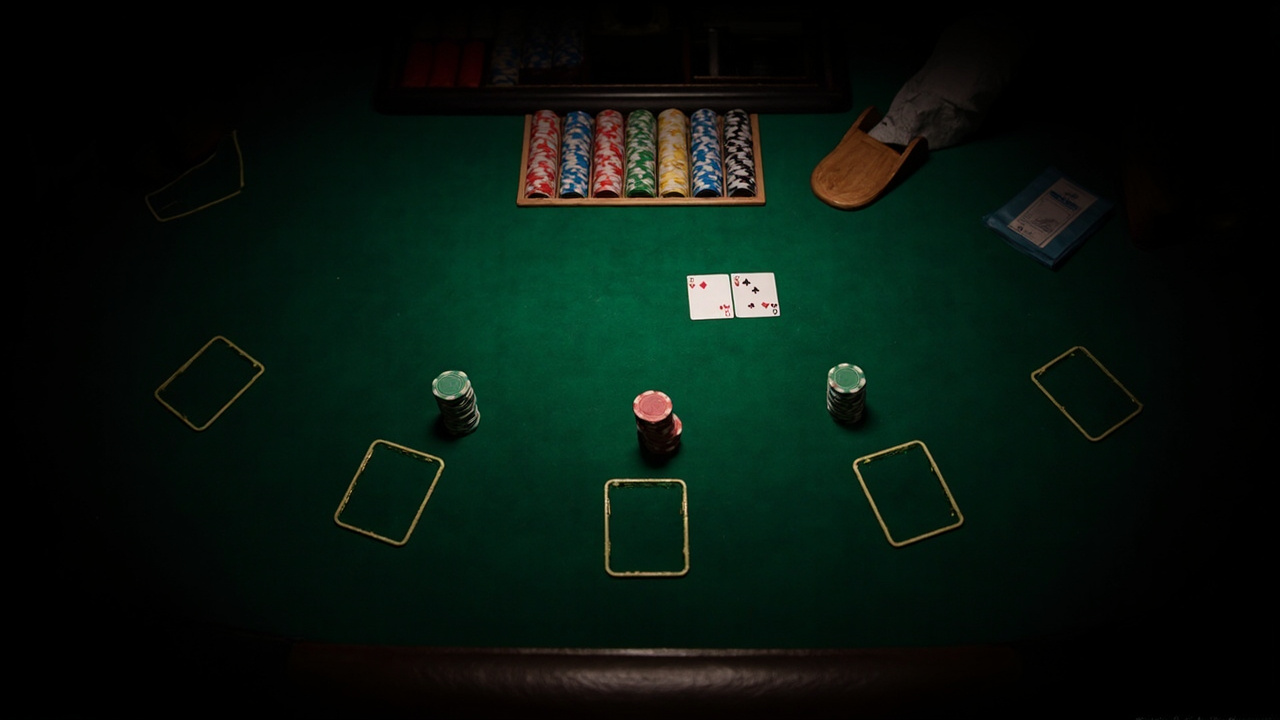
The first thing to settle is how the game is presented. Pai gow poker paylines are a loose term players borrow from other games, but here the focus is the hand-setting mechanic and the house edge built into the commission. A decent table will show the commission clearly, list the joker’s role in a split, and make the house way and player way rules plain before you put chips down. Evie Wilson, Strategy Director at Red Centre Analytics, has put it plainly: “If the rules on splits, commission, and the house way aren’t visible before you sit, walk away and find a table that lays it out.” That’s the kind of call I make before I’d trust a venue or an operator to handle my stack. I’d rather check the layout than hope the dealer explains it mid-hand.
When you’re comparing where to play, the operator behind the felt matters as much as the rules on the felt. A site that treats responsible-play tools as an afterthought usually treats account controls the same way, and that’s a bad fit for anyone playing on a fortnightly pay cycle. It’s worth comparing what’s on offer against notes on smart company, where business operators tend to call out the boring compliance details that actually protect players. The point isn’t to chase a bonus; it’s to make sure the environment is set up so your decisions stay yours.
How the game actually runs at the table
Setting your hands and reading the split
The core of pai gow poker is simple on the surface: you get seven cards, you make a five-card hand and a two-card hand, and the five must always rank higher than the two. That ordering rule is what trips people up. The joker is the wildcard in the room – it can complete a straight or flush, or act as an ace otherwise – and how the dealer sets their own hand (the “house way”) is the quiet variable that shapes every session. Basic strategy is the mathematically optimal play for every hand versus the dealer’s up card, and it matters here because the split decision is where most errors cost real money. A clean split beats a messy one more often than not, and the commission on winning banker hands is the slow leak you feel after a few sessions, not before.
Where the house edge sits and what it means
The commission is usually five per cent on banker wins, and that’s the built-in edge you’re working around. Player wins pay even money, pushes return your stake, and the push rate on the two-card hand keeps a lot of sessions in a steady rhythm rather than a wild swing. None of that makes the game a sure thing; it just means the table is a slow, deliberate grind if you’re playing it properly. I’ve seen players treat the two-card hand like an afterthought and then wonder why a weak kicker costs them a round. The edge isn’t hidden – it’s just easy to ignore when you’re focused on the five-card hand and the cards are falling your way. by win spirit promo code
Table rules, commissions, and the joker
Different tables lean on the joker differently, and the house way can vary enough to matter over a long session. Some venues set the dealer hand strictly, others allow a bit more flexibility, and that variation is the kind of detail you want on the felt before you start. A table that hides its commission structure or fudges how the joker behaves is asking you to guess, and guessing is the fastest way to turn a slow game into a costly one. The best tables make the rules boringly clear, because boringly clear is exactly what you want when you’re setting hands under pressure.
Who this game suits and who should skip it
This is a game for people who don’t mind a slow pace and who actually want to think about hand-setting rather than just watching the cards fall. If you’re playing on a fortnightly pay cycle and the cost-of-living pressure means every session has to sit inside a budget, pai gow poker can work because it’s deliberate rather than frantic. It’s not a good fit for anyone chasing fast action, and it’s a poor fit for anyone who treats the two-card hand as a throwaway. I’d rather see a player set a conservative split and walk away on time than watch someone chase a weak two-card hand because they’ve had a few too many and the arvo has gone long. The game rewards patience and punishes impulse, which is exactly why it suits some people and not others.
Closing thoughts
Pai gow poker paylines aren’t a secret pattern to crack; they’re a reminder that the game is about hand-setting, commission, and discipline. Treat the rules as the starting point, keep your sessions inside a budget that fits your pay cycle, and don’t pretend the house edge disappears because the cards are running warm. Play it properly, keep your decisions yours, and you’ll know within a session whether the table is a fit or just a slow way to burn time.